Reuse and recycling of bathroom products
At Gustavsberg, we work with the entire product life cycle – from the selection of raw materials and production to use, reuse and recycling. This work begins as early as the design and engineering phase, where the foundations are laid for the product’s functionality, material choices and production methods. We continuously work to develop our production methods and collaborate closely with our suppliers.
Product quality, service life and resource-efficient features are important factors in reducing environmental impact throughout the product life cycle. We therefore develop products with a focus on long service life and features that can help reduce the use of resources such as water and energy.
The service life and durability of the ceramic components of our products extend well beyond a single use phase. This makes the products suitable for reuse over several generations. Spare parts can be used to maintain or upgrade functionality, for example by reducing the flush volume or replacing the toilet seat model as needs change.
When it comes to materials, we aim to use as much recycled material as possible. For example, approximately 85% of the brass we use comes from post-consumer material, while 100% of the composite material used in toilet inner tanks comes from post-consumer material. Products that are no longer in use should primarily be repaired, passed on or otherwise kept in use. When this is no longer possible, it is important that the materials are sorted correctly so that, where possible, they can be recycled and used in new products.

Sorting guide for recycling
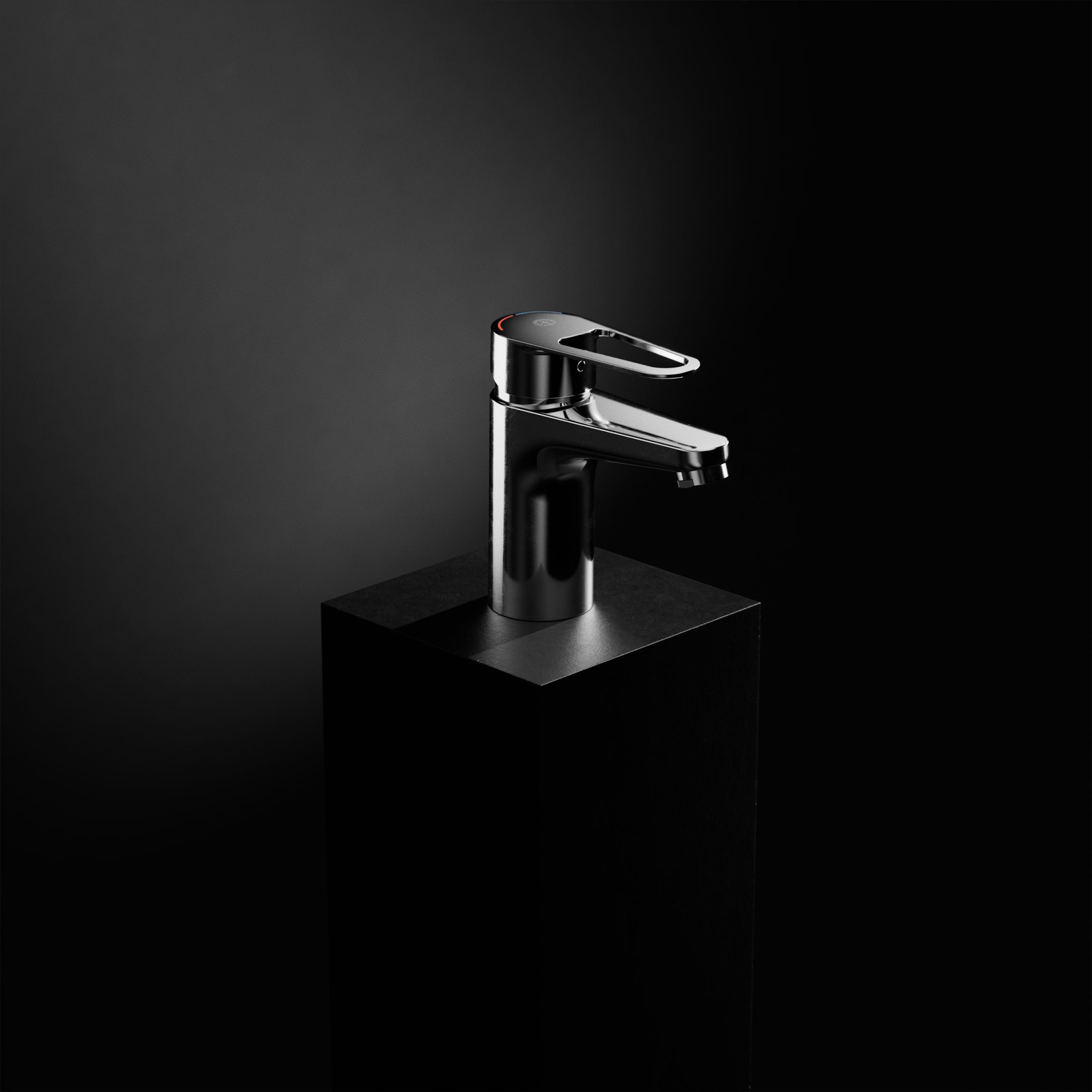
Taps
Metal parts, mainly brass, zinc and stainless steel, should be sorted as metal. Where possible, polymer materials (plastics) should be separated and sorted for energy recovery.
For sensor taps, any batteries should be removed and taken to a designated battery collection point. Electrical components, such as transformers and wiring, should be sorted as electrical waste.
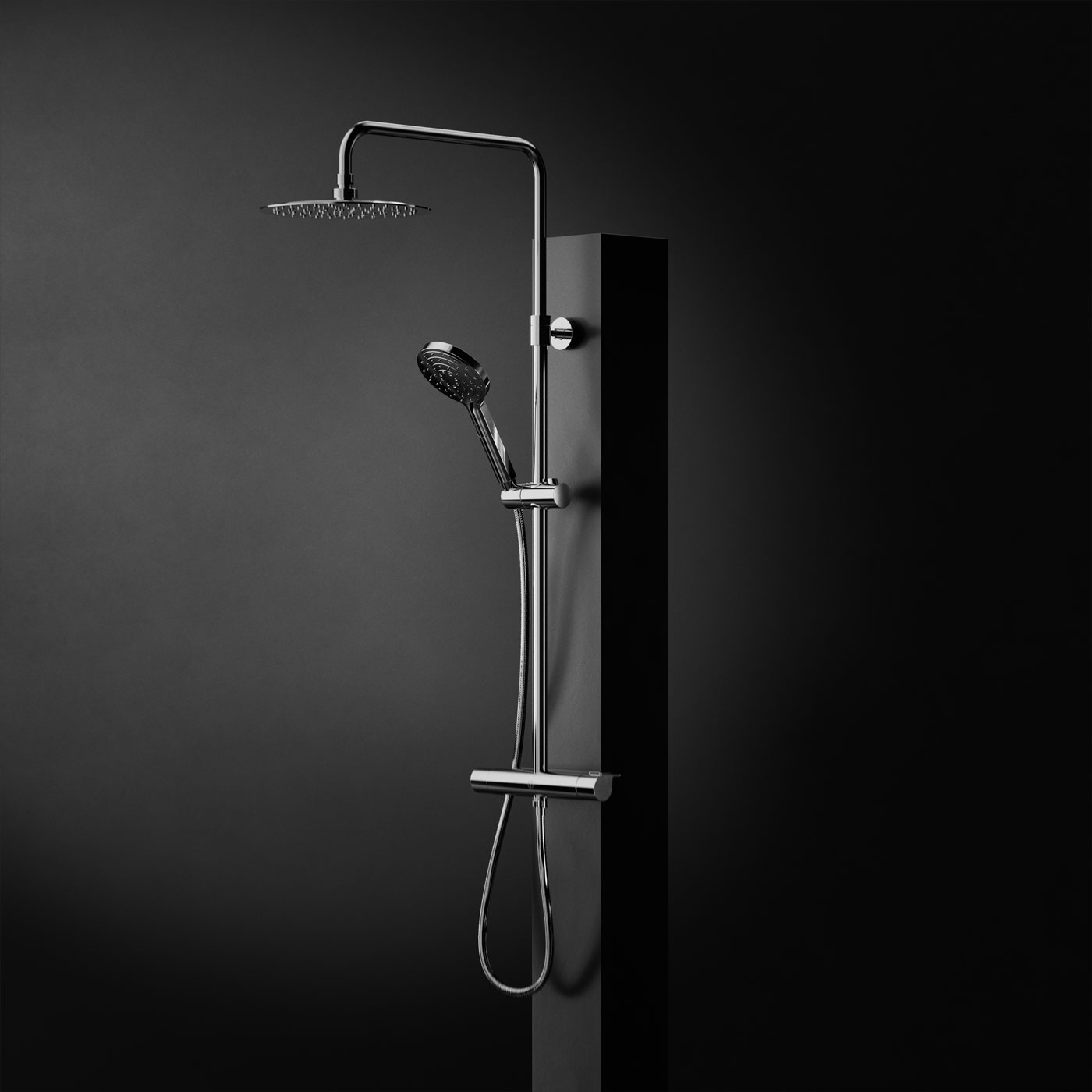
Shower sets
Metal parts, mainly stainless steel, should be sorted as metal. Where possible, polymer materials (plastics) should be separated and sorted for energy recovery.
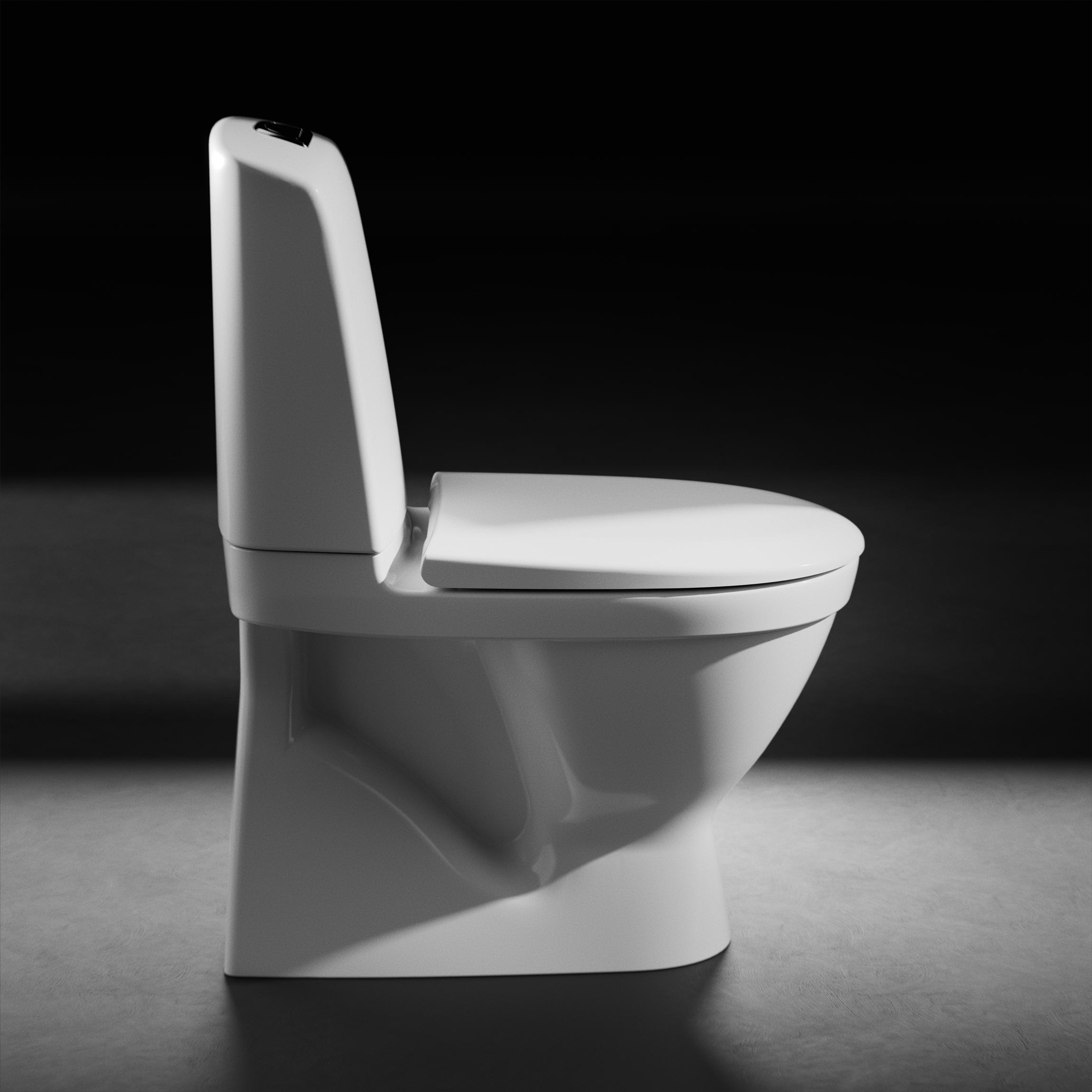
WCs and sanitary ceramics
Ceramic parts (porcelain) should be sorted as bulky waste or filling material. Polymer materials, such as plastic toilet seats and flushing mechanisms, should be separated and sorted for energy recovery.
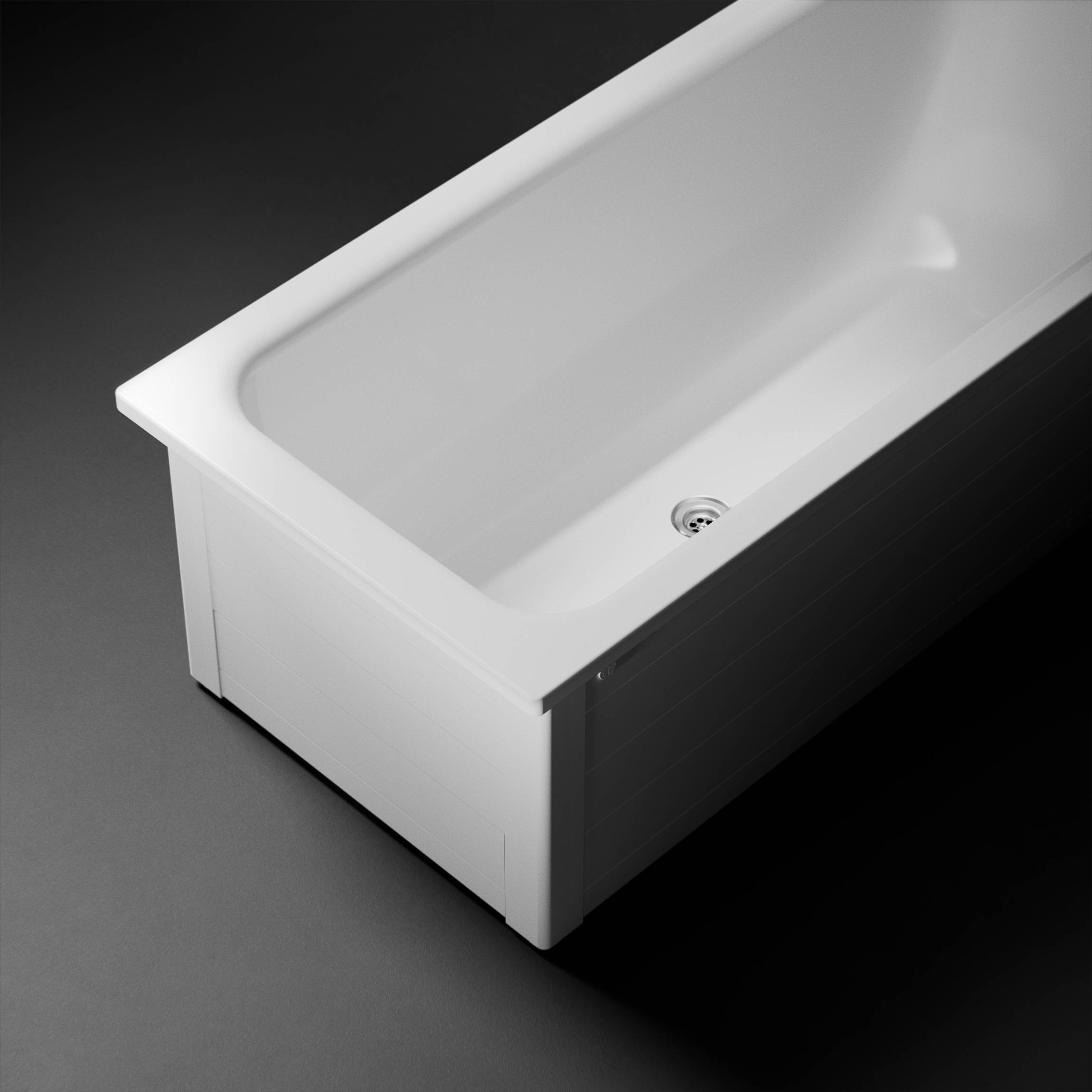
Bathtubs
Bathtubs consist mainly of metal and should be sorted as metal. Where possible, polymer components, such as parts of the waste system, should be separated and sorted for energy recovery.
Shower screens and shower doors
Glass should be sorted as flat glass. Where possible, metal parts should be separated and sorted as metal.