Let’s wind back the clock
1825 saw the start of construction on Gustavsberg’s first porcelain factory. A couple of years later, the factory was officially opened and the first porcelain was fired with great expectations. However, it turned out to be a great disappointment.
The porcelain was of such poor quality that it had to be thrown away, and Mr. Öhman – the brains behind the project – gave up on his porcelain dreams and sold the factory at auction. Thus begins the story of Gustavsberg, which over time became the bathroom manufacturer that took Sweden from dirty to clean – and today is one of Scandinavia's largest bathroom suppliers.
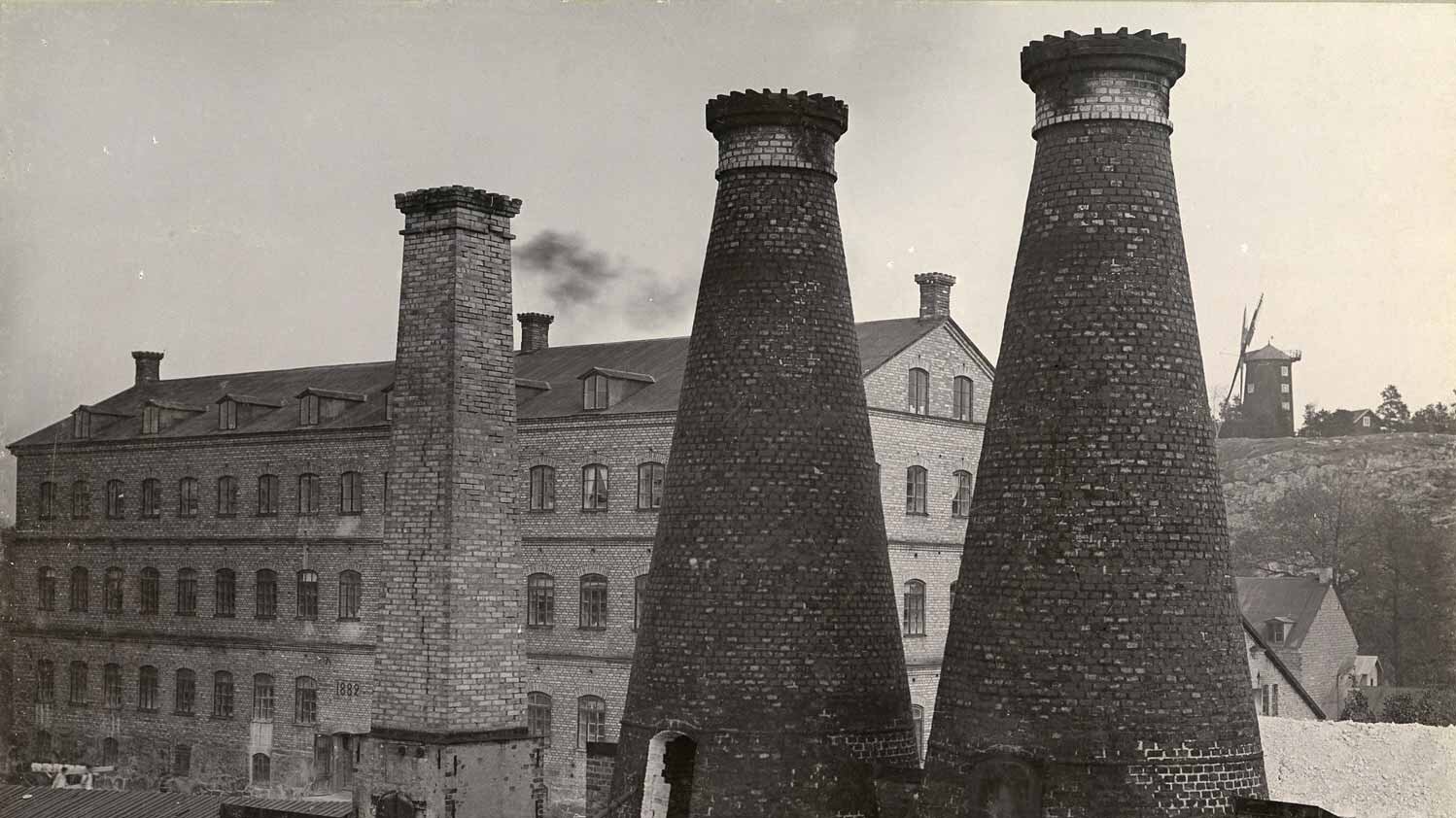
1825 – Porcelain factory built
It was in the 1600s that the entrepreneur Maria Sofia De la Gardie founded a brickworks in Farsta Vik. She named the site Gustavsberg. When the brickworks was later demolished, a porcelain factory was built in its place. As you already know, things didn’t go according to plan.
1838 – The Englishmen arrive
Thirteen English porcelain specialists are brought to Gustavsberg. They use their expertise to convert production from German to English methods. The quality improves and the success story of Gustavsberg soon begins.
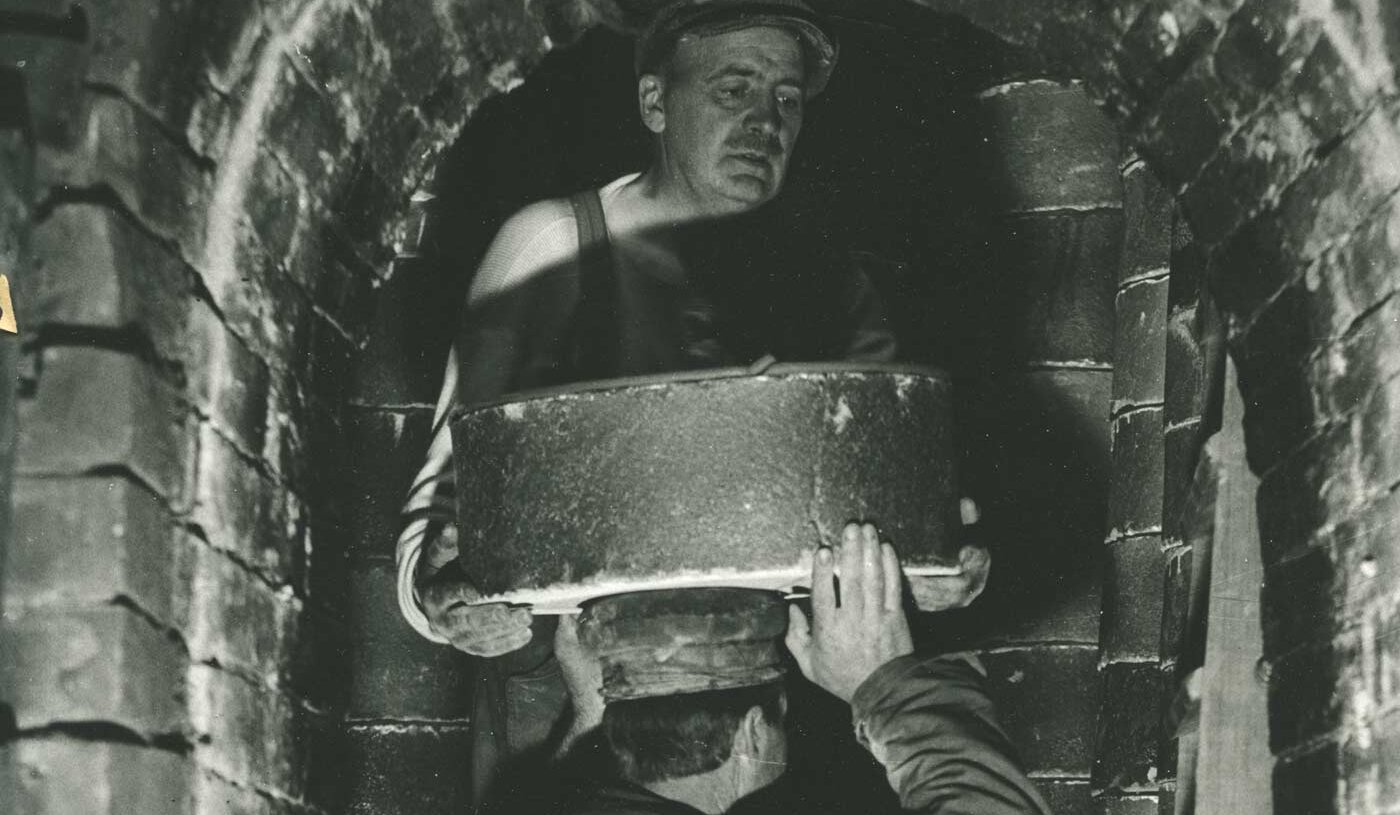

1839 – Introduction of the anchor
Over and above the production methods, the English porcelain experts bring in something else that has stayed with us to this day.
The anchor, which was a common signature among English porcelain factories, becomes a part of our logo.
1850s – Production picks up pace
The gamble on English porcelain pays off and Gustavsberg becomes something of a pioneer in its field, winning a variety of international awards.
Under the leadership of proprietor Wilhelm Odelberg, the foundations are laid for the major company Gustavsberg becomes around the turn of the century.

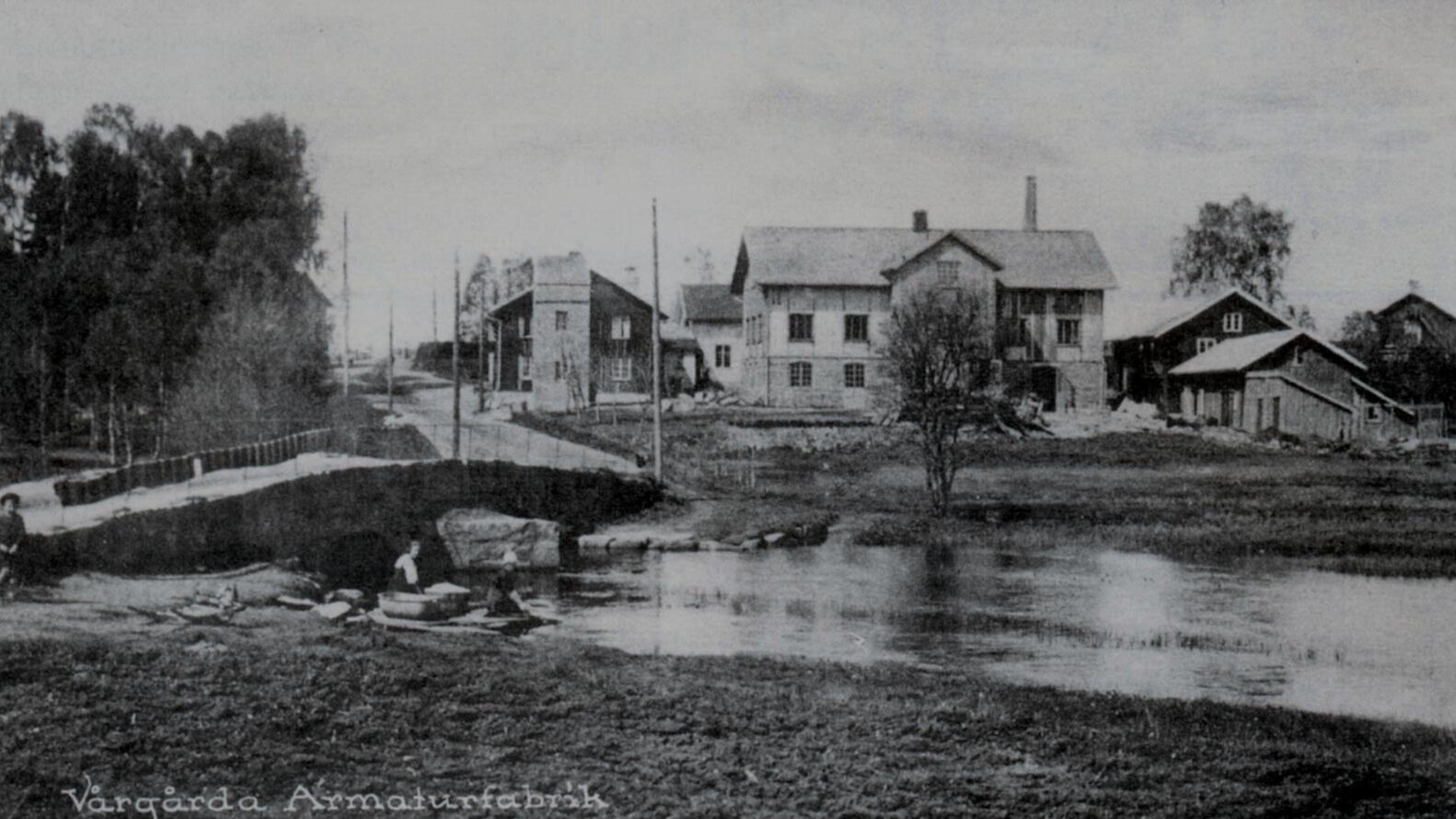
1920 – The Vårgårda mixer is born
In 1920 Gustav Hedblom is sitting in Vårgårda, planning to open a factory to manufacture faucets. Together with two companions, he puts his plan into action – and thus is created the Vårgårda mixer.
Two years later, the company has expanded to employ 38 people who are proud to present a fine range of products – and sales totalling SEK 66,550.
1939 – Gustavsberg becomes a bathroom manufacturer
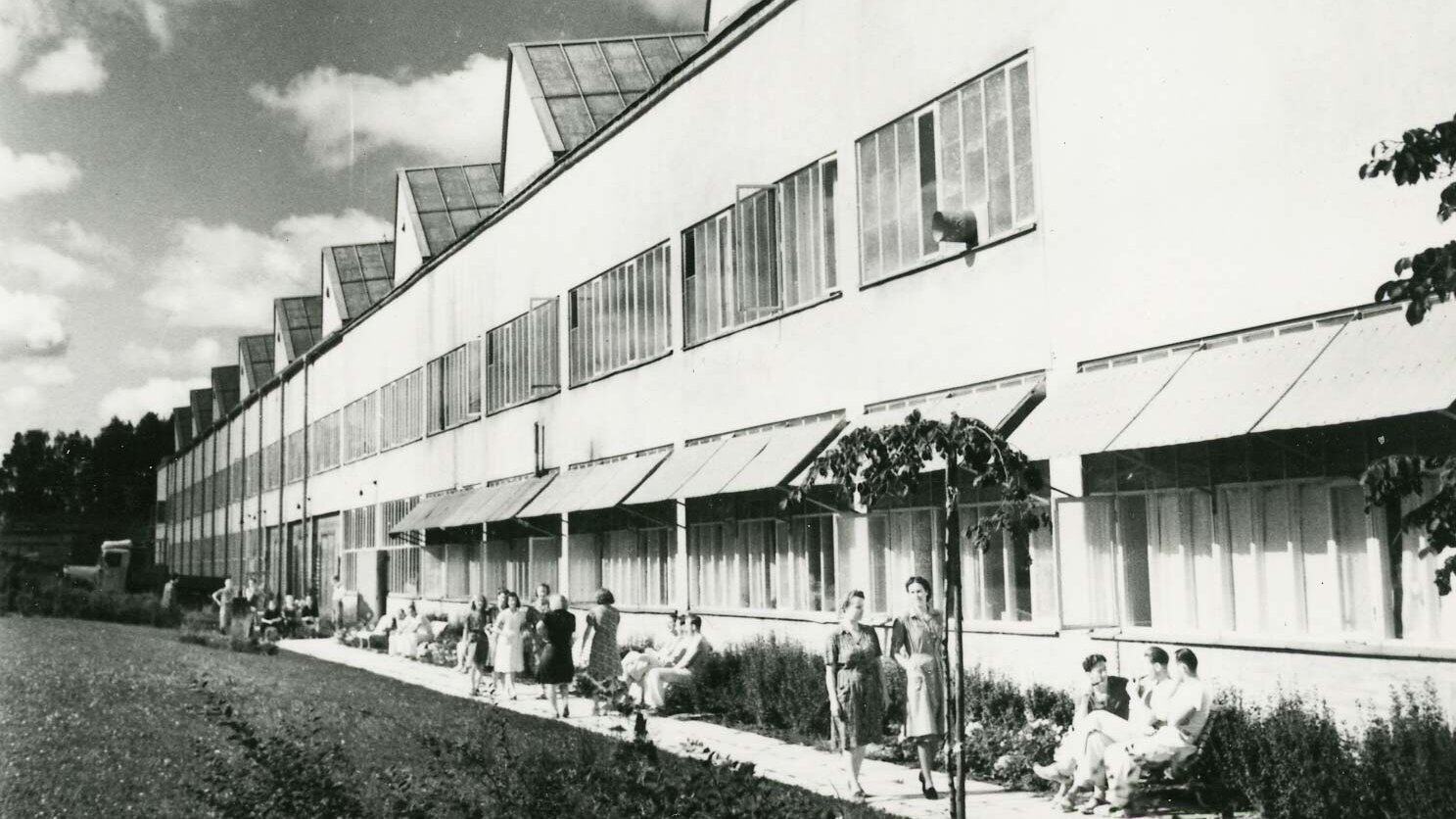
In the early 1900s, the bathroom becomes an increasingly common feature of the home. With its extensive experience with household porcelain, it is only natural for Gustavsberg to turn its attention to sanitary porcelain. The new factory is opened in 1939, marking the start of a new chapter in the long history of Gustavsberg.
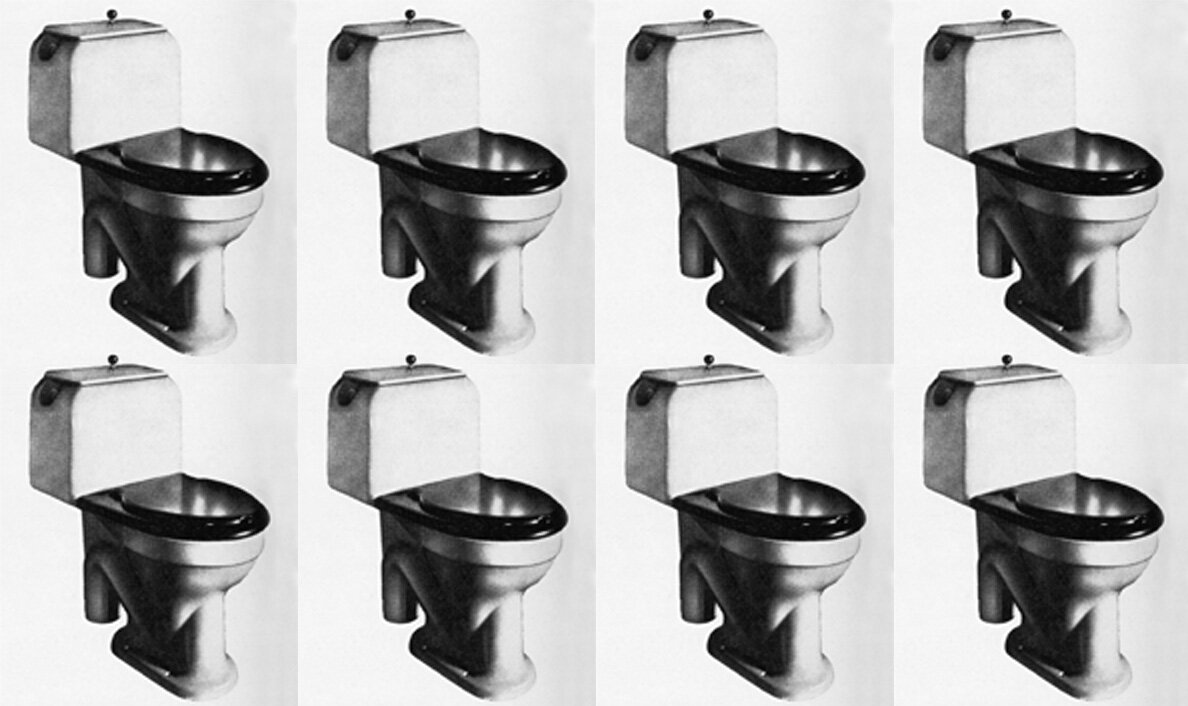
1940 – Our first close-coupled toilet
Gustavsberg launches WC no. 306, our first close-coupled toilet, where the cistern is moved down from the wall and integrated with the bowl. Axel Nilsson’s unique design is awarded a patent in 1940.
1947 – Bathtub manufacture commences
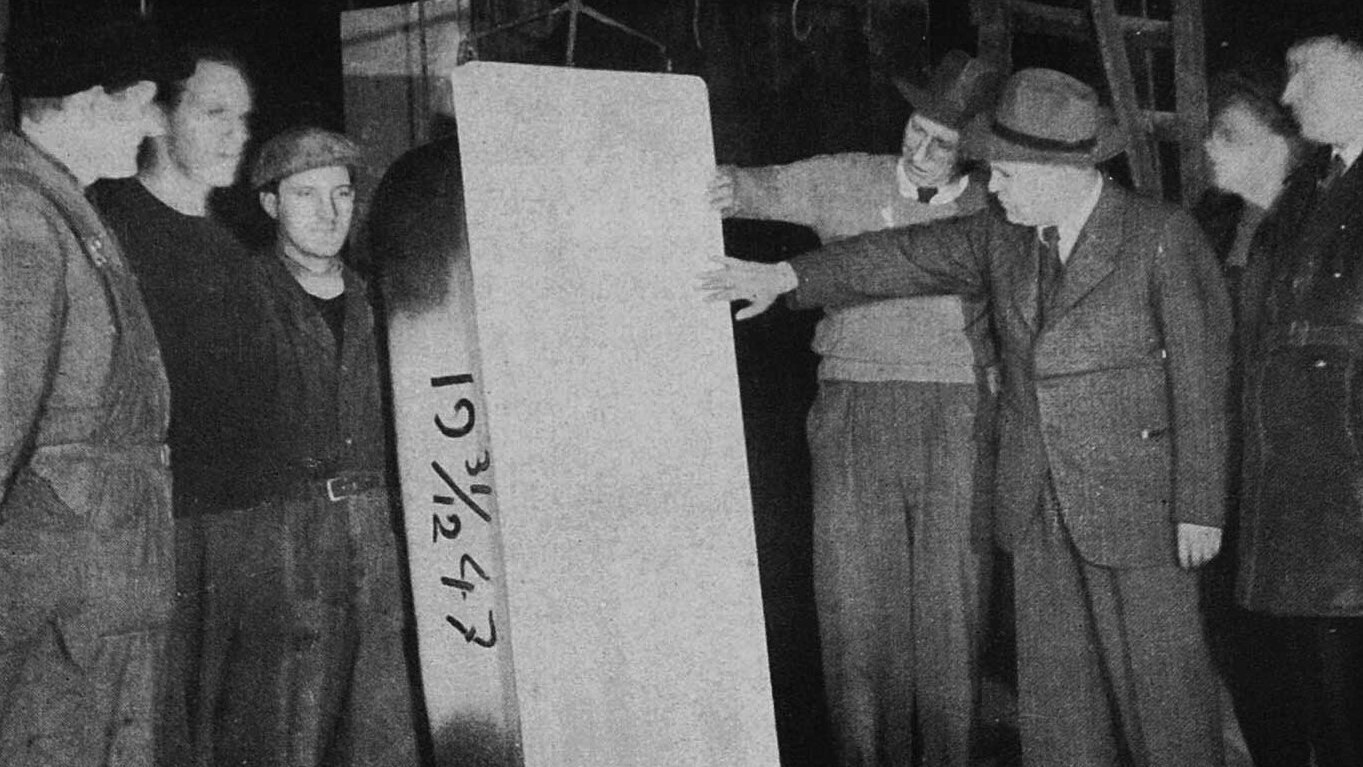
New Year’s Eve 1947 marks the coming of not only a new year, but also a completely new type of bathtub. Through a unique working relationship with the American automotive industry, we developed bathtubs made of form-pressed sheet steel – much more versatile than the heavy, clumsy cast iron tubs.

1949 – Improved flushing
Wc 307 features a significantly improved flushing effect compared to the old 306 model as the bowl walls are almost vertical and the flush mechanism features a new, quick-close floater valve.
1950s – Designer washbasin
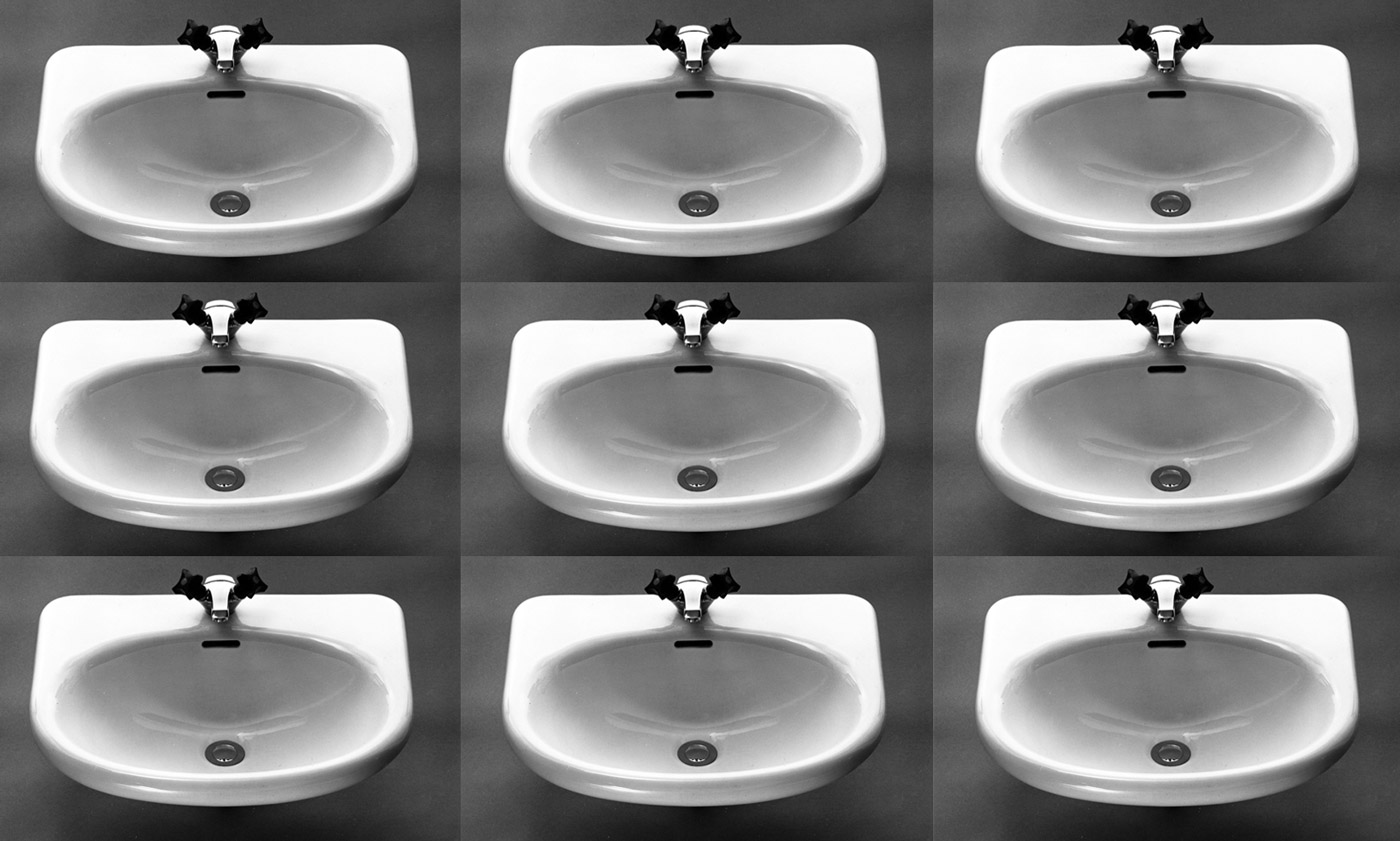
In the 1950s, aesthetics in the bathroom become increasingly important. Drawing on our rich design heritage, we power development forward. Stig Lindberg designs a couple of washbasins – despite his resistance to standard dimensions and production conditions.
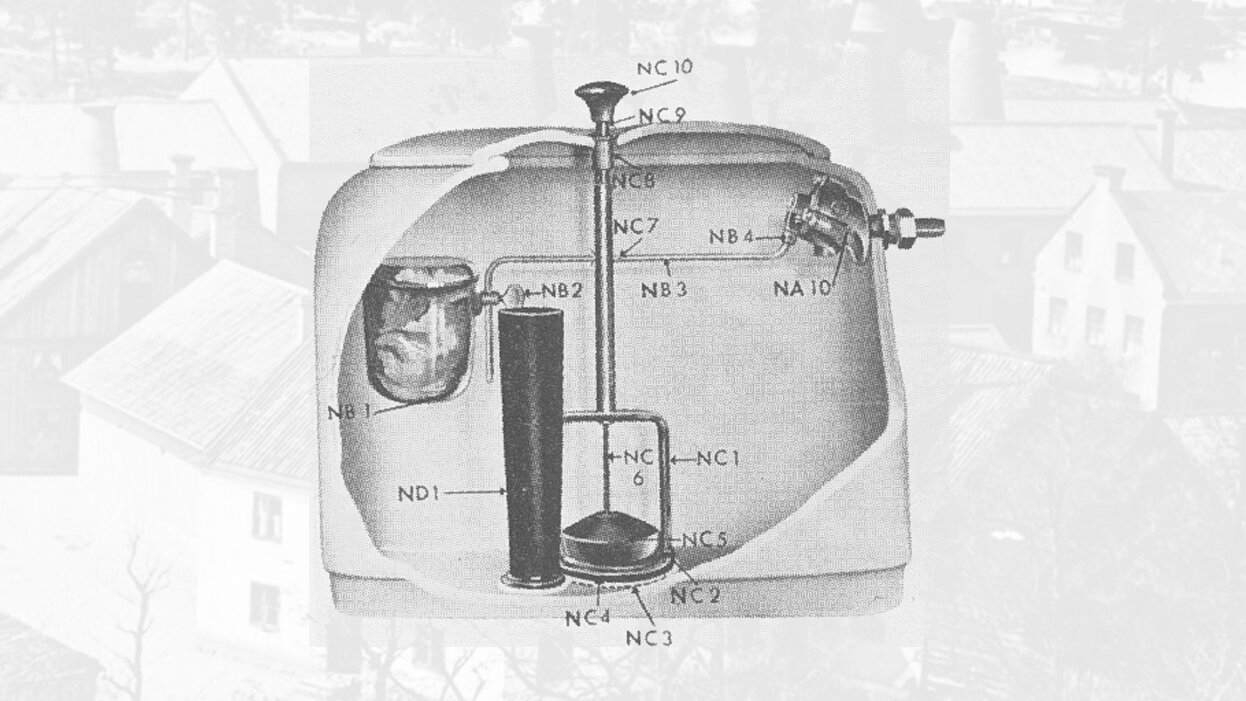
1952 – Even better flushing
Our WC no. 315 improves flushing technology even further. We are so satisfied that we choose to grant a 10-year guarantee on the flush itself.
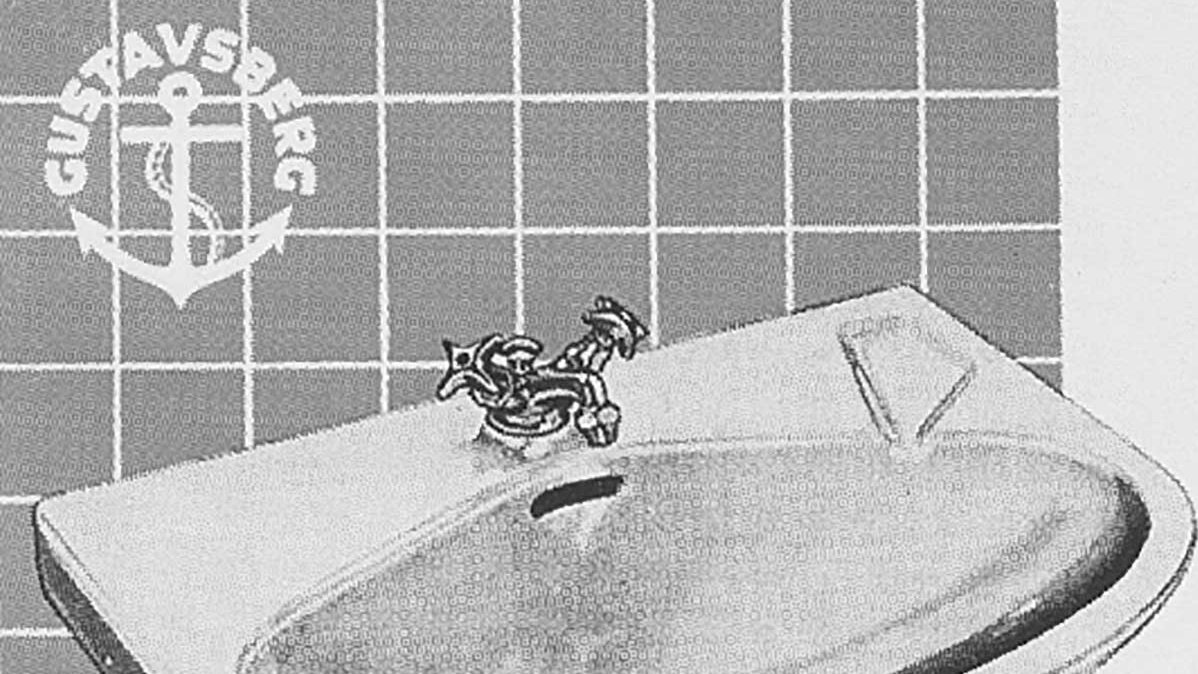
1953 – Washbasin no. 525
A washbasin rim (or edge) was previously considered an essential feature to prevent the washbasin losing stability and collapsing in the firing oven. However, Carl-Arne Breger succeeds in experimenting his way to a new solution, which makes washbasin no. 525 Gustavsberg’s best-seller ever in all categories.
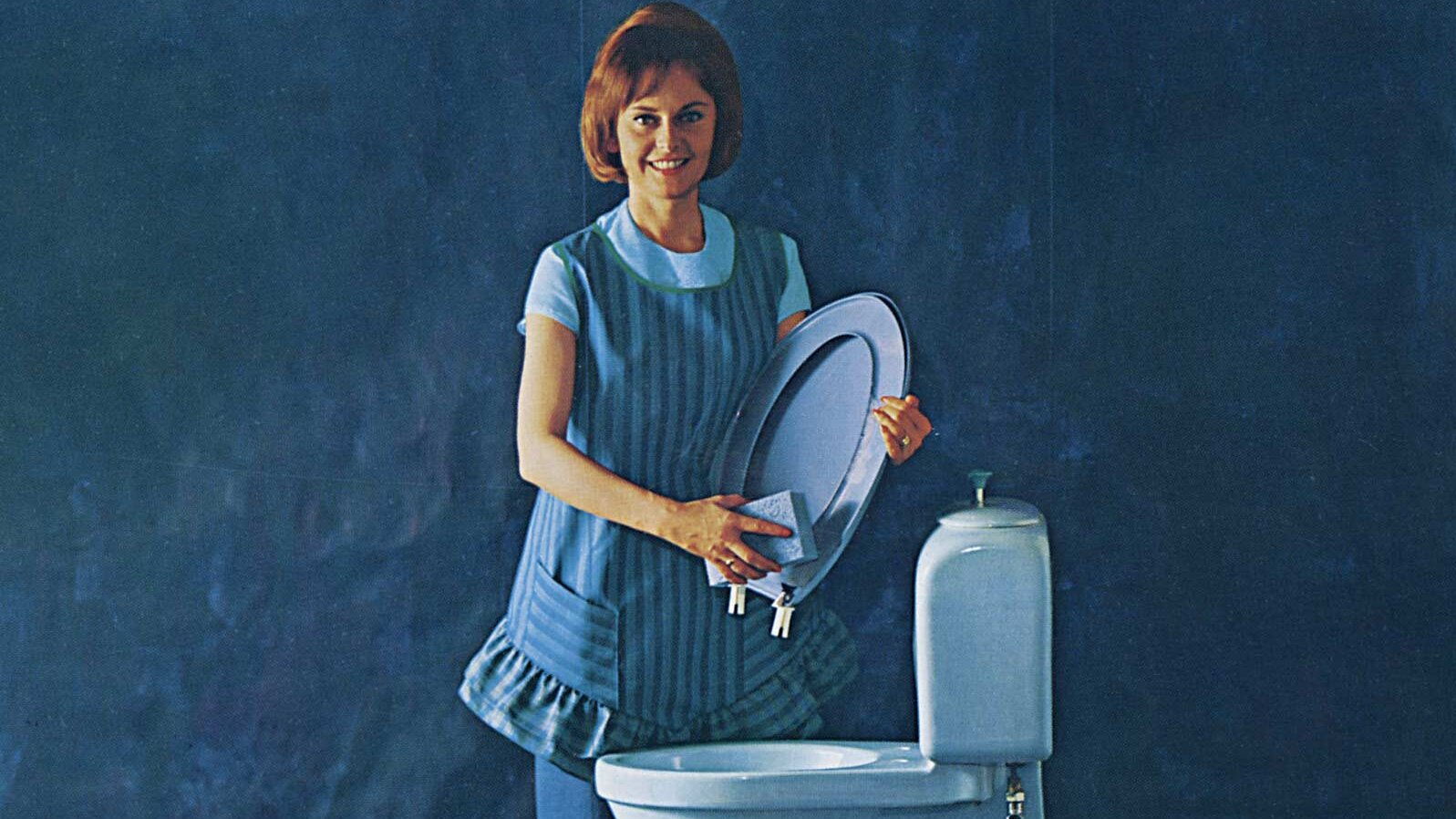
1961 – The easy-clean toilet seat
We make cleaning easier with our new, removable plastic WC seat. The product development is rewarded with the 1961 Plastic Prize.
1964 – The silent toilet
With our WC no 315T, we introduce the first ever quiet-flush toilet. Good news for everyone who has ever been woken up by their neighbours’ nightly toilet visits.
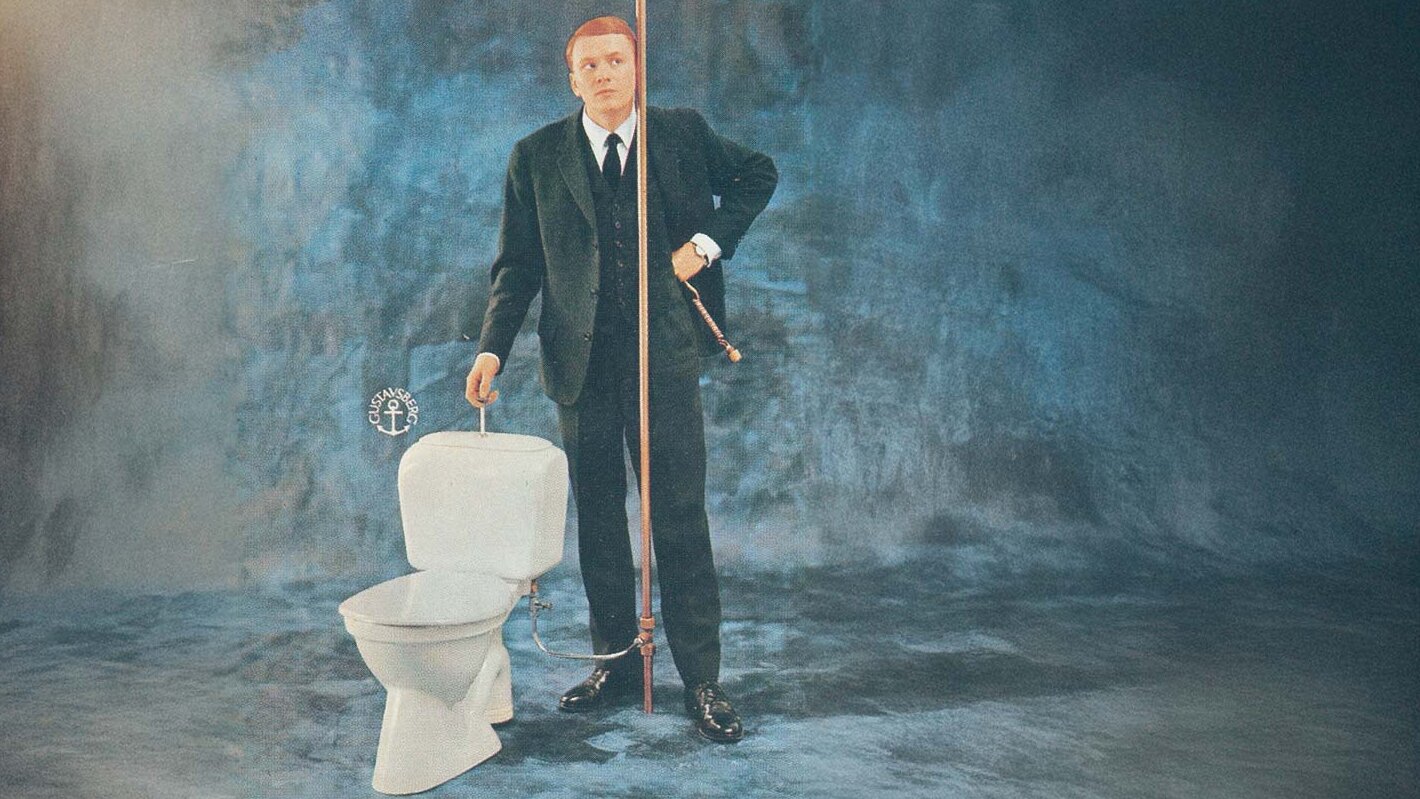
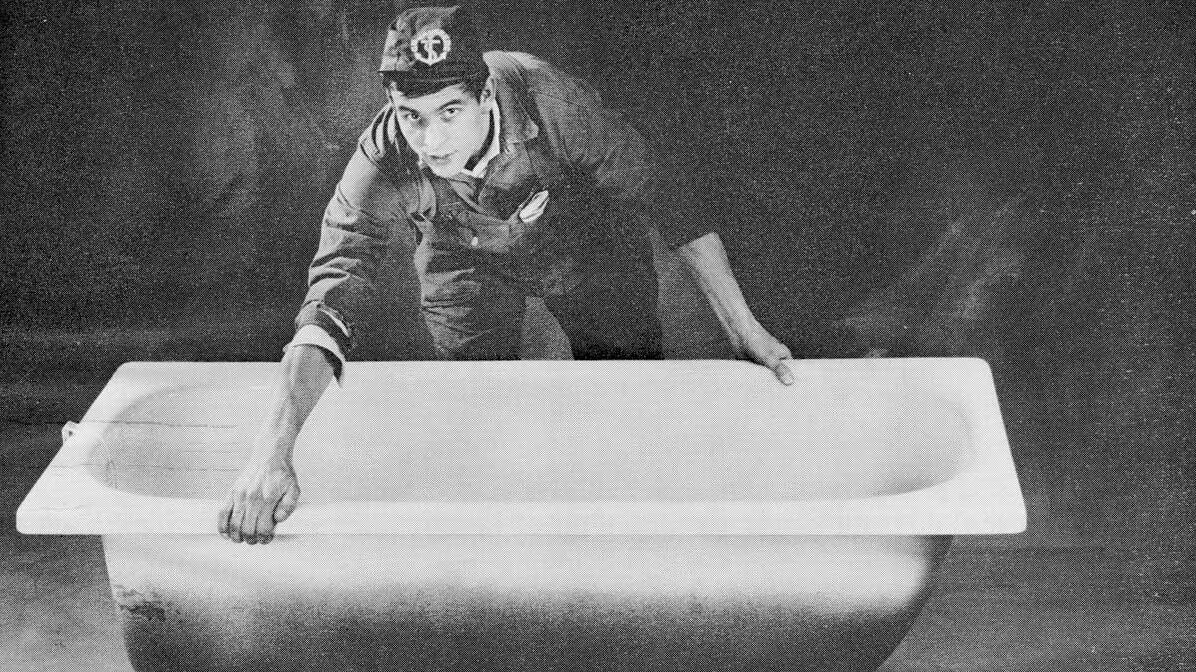
1965 – The ready-to-install bathtub
We now launch yet another major product development: stackable bathtubs that are fitted with adjustable feet and a complete bottom valve with a drain pipe. At the same time, the new bathtub is 10 cm lower, making it easier to enter and exit.
1965–75 – “The Million Scheme"
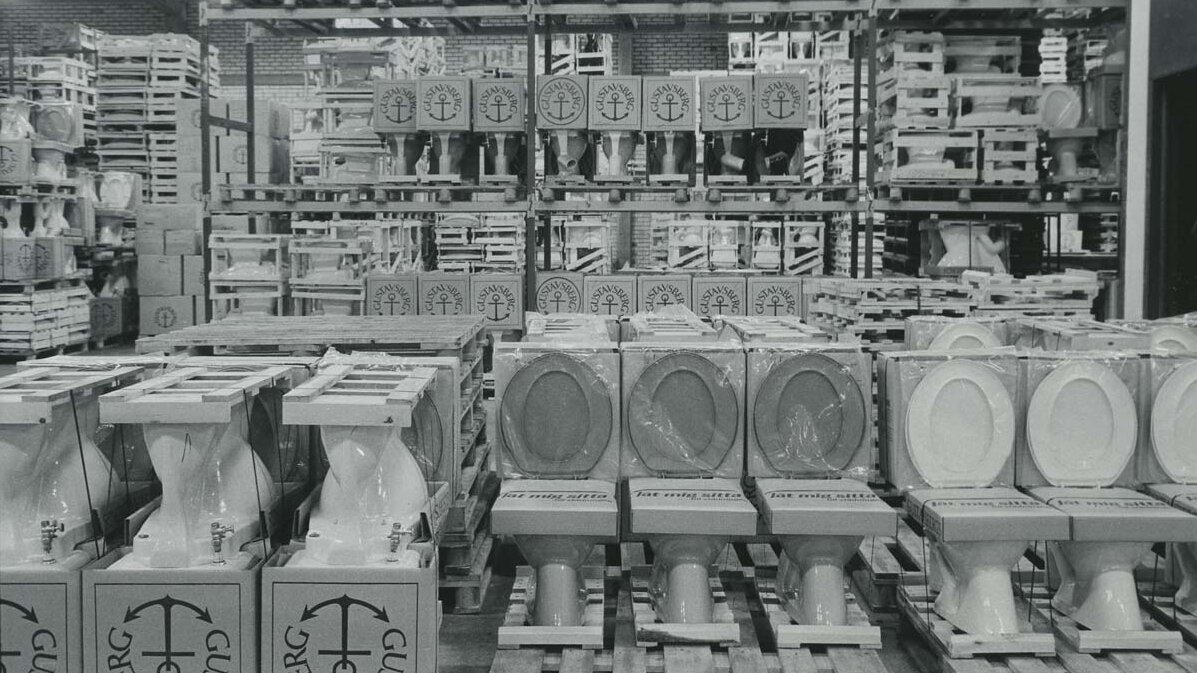
When Sweden embarked on its plan to build a million homes in ten years, the demand for bathtubs, sinks and toilet seats increased dramatically. Gustavsberg became a key player and established a new standard that remains relevant to this day.
1970s – Colourful bathrooms
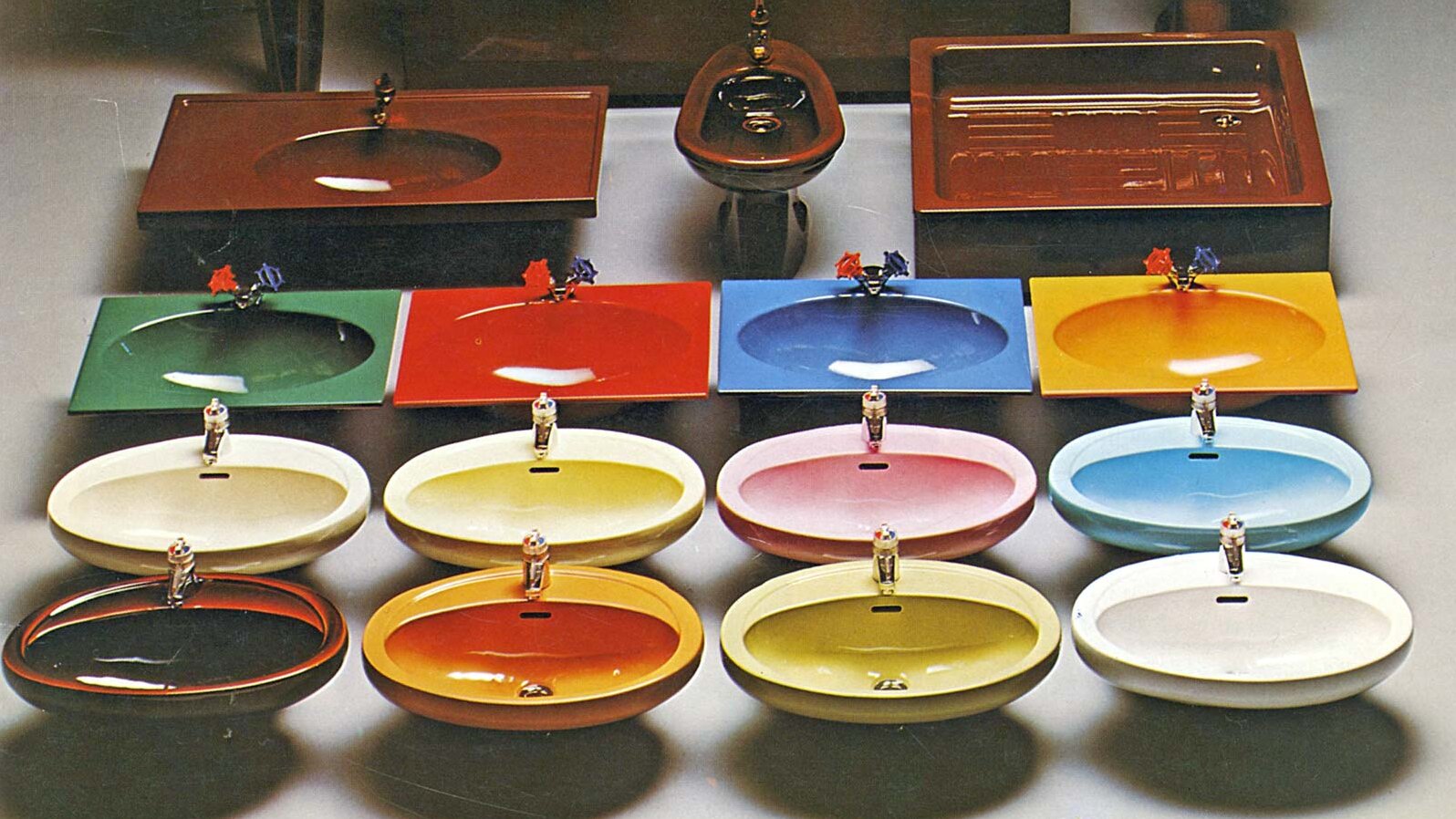
Soft pastel shades have long dominated in the porcelain range. But when we start to make washbasins of enamelled steel, we launch a variety of new, strong and pure 1970s colours.
1974 – Oil crisis forces new solutions
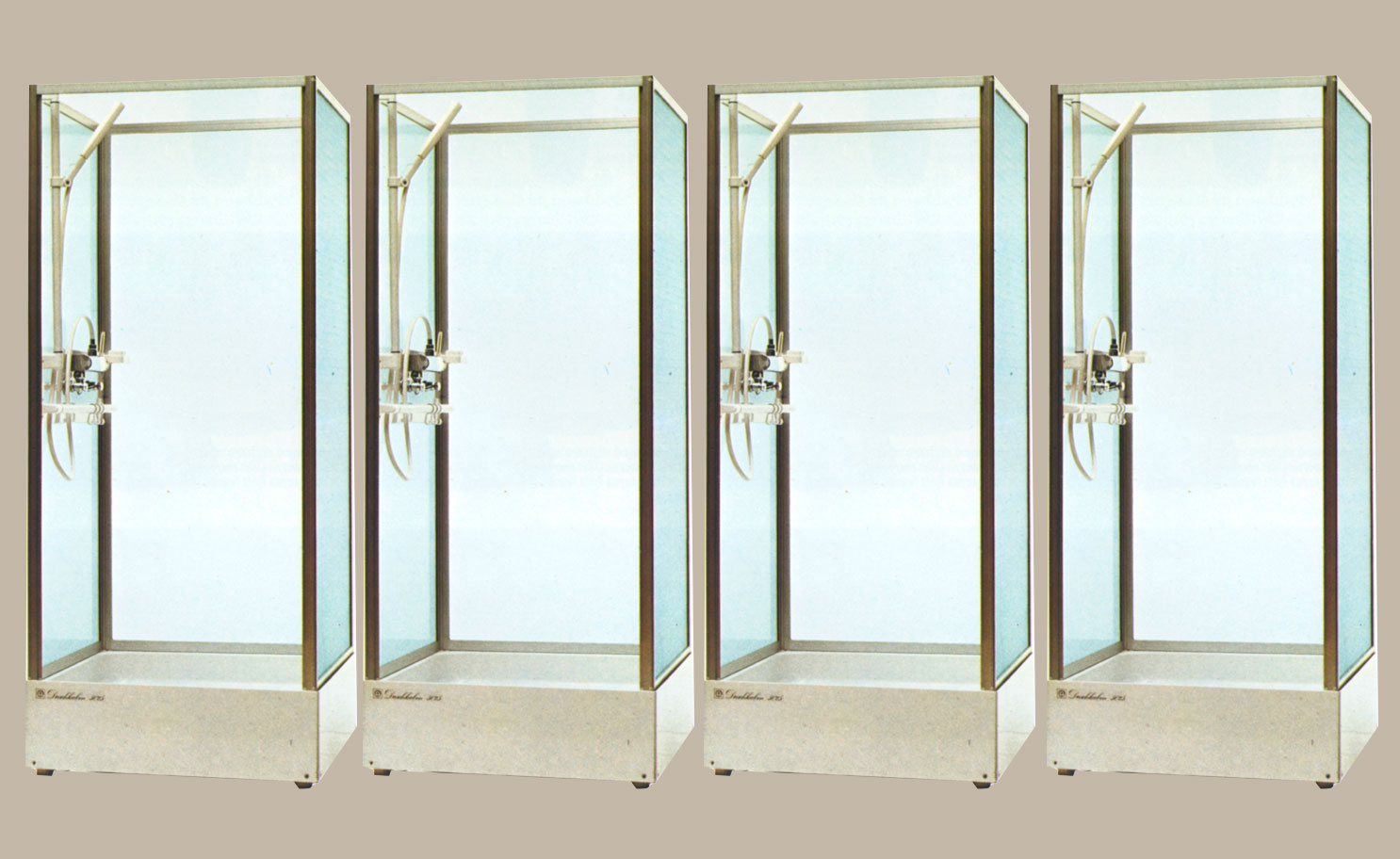
As a result of the oil crisis in 1974, people start to become seriously interested in energy-saving measures. Gustavsberg launches a new shower cabin for people who do not have the space and budget for a bathtub.
1980s – Water-saving mixers
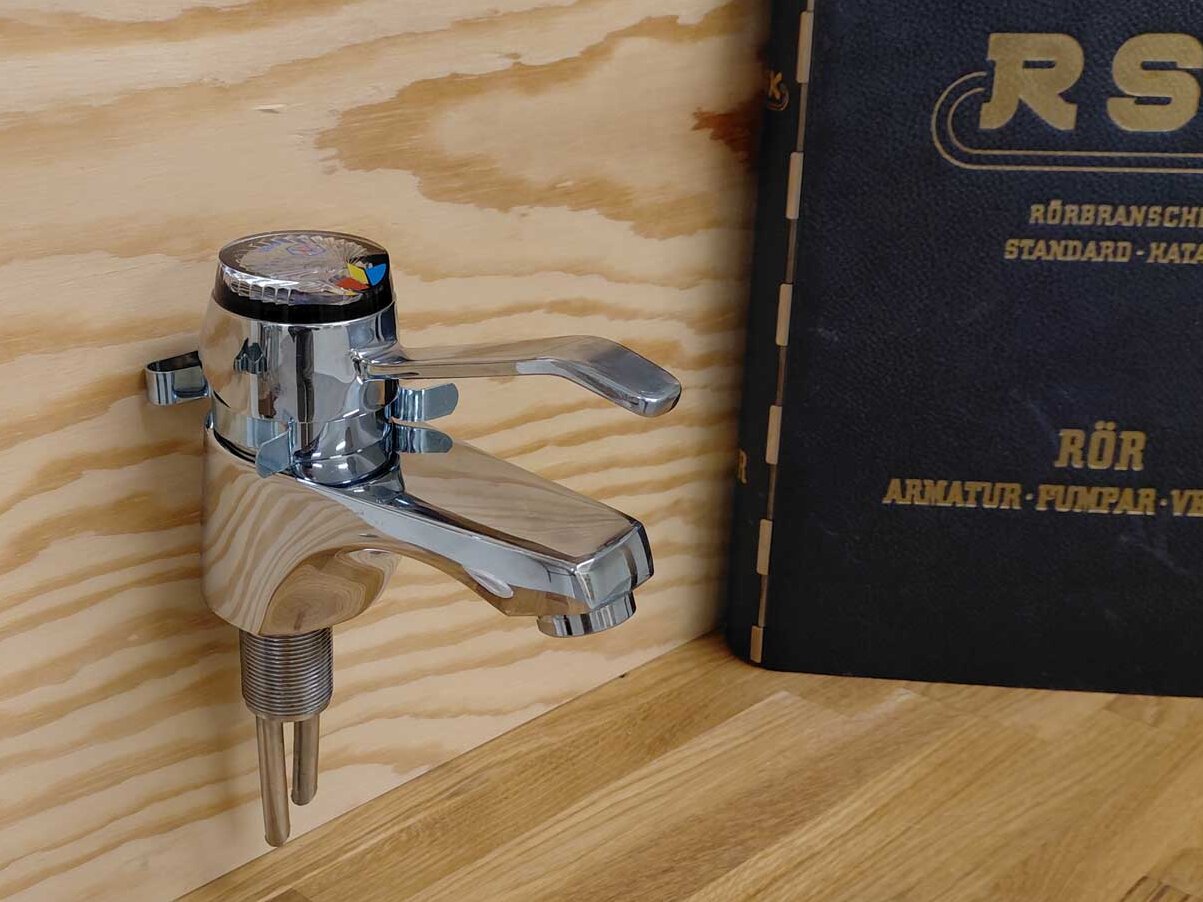
Gustavsberg develops a unique water-saving technology that results in a global patent. The design is as simple as it is brilliant: fitting the mixer with a flow block means that users save both water and money. The water-saving mixers become a huge export success.
1992 – Energy-saving mixers
For ten years, our mixers have been fitted with technology that saves water. Now comes the next giant leap: saving energy. The effects prove to be incredible for both the wallet and the environment.
2010 – Nautic: designed by you
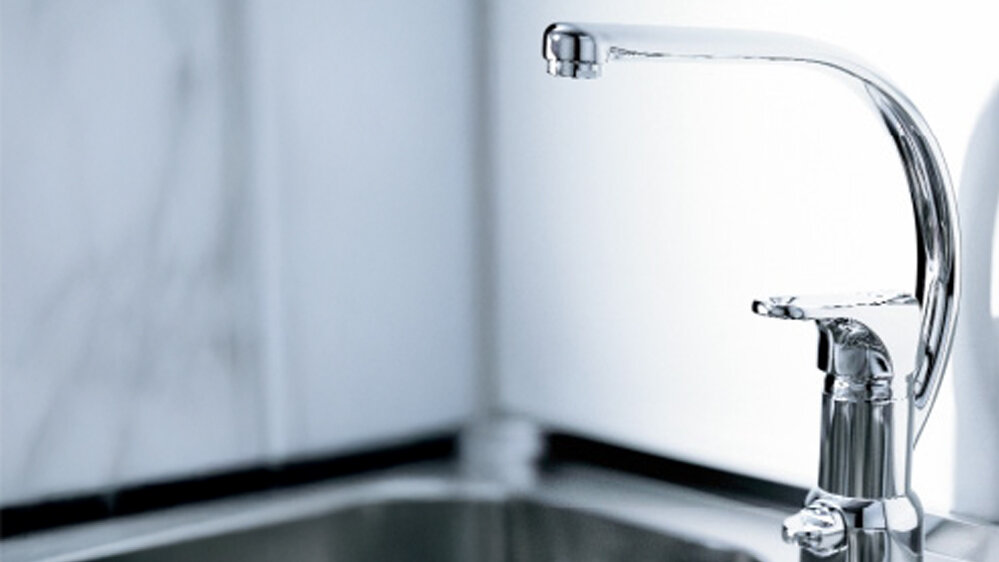
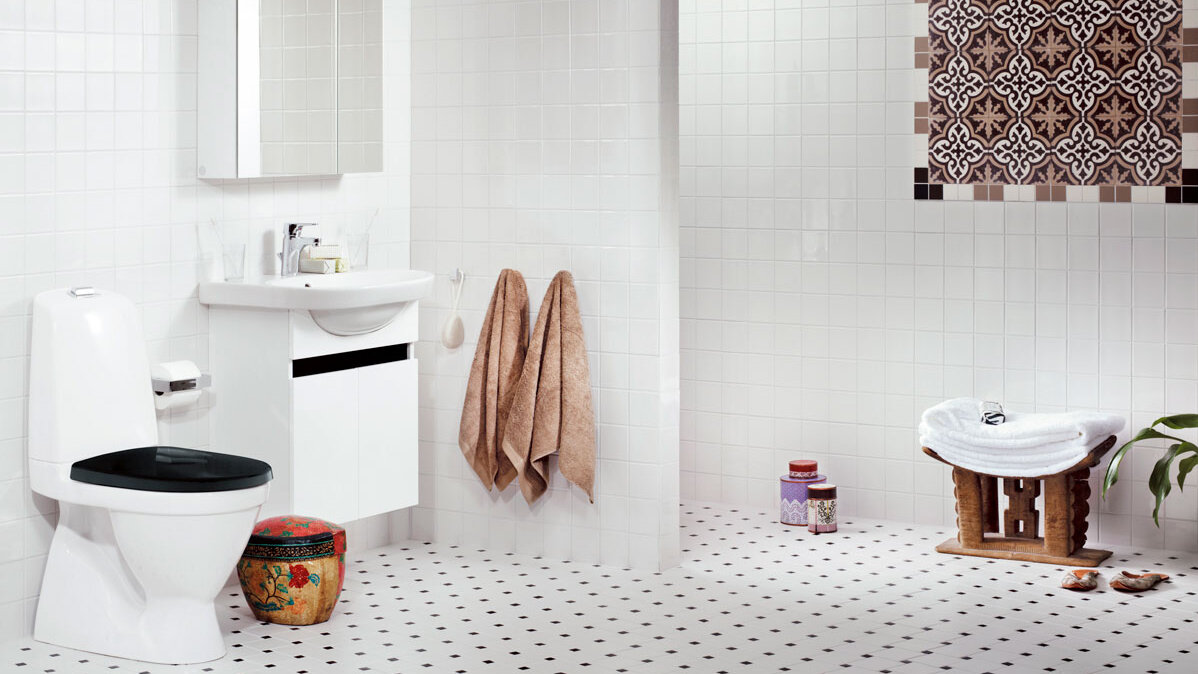
At Gustavsberg, function and design have always gone hand in hand. To take that idea further, we invited both installers and consumers to help develop the Nautic series. The result is our most functional bathroom series ever – packed with technical features for both users and installers.
2012 – Energy-rated mixers
Energy-rated mixers are introduced to the market and we get the best results for the Nautic series.
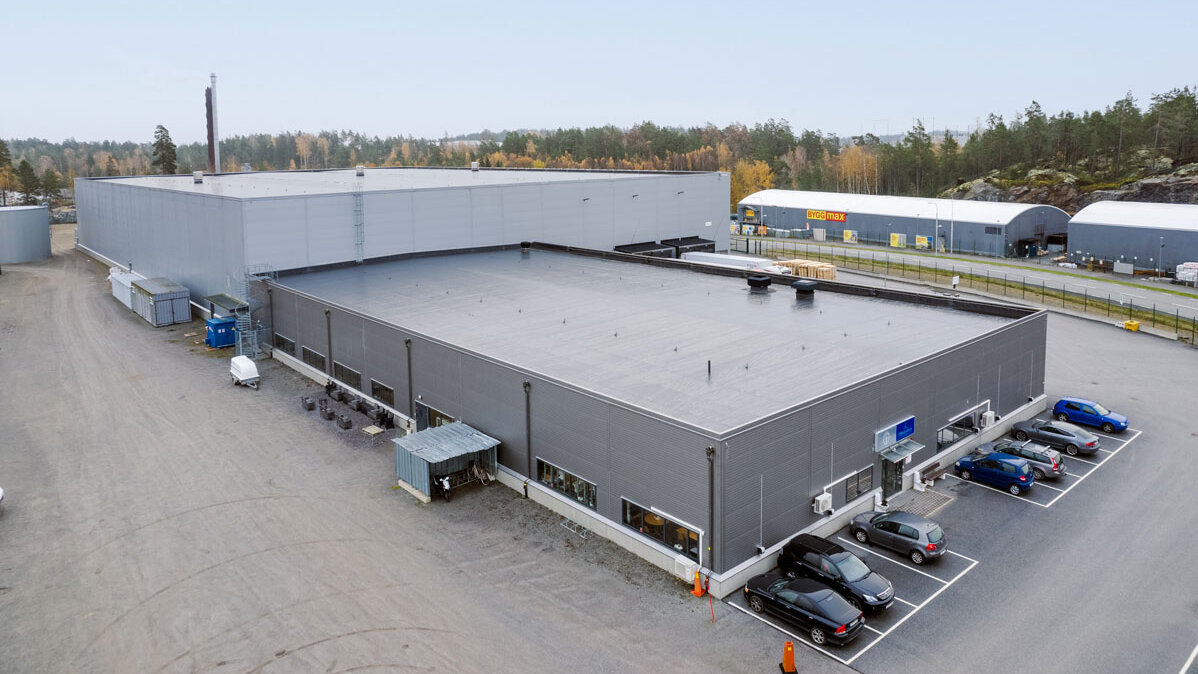
2015 – New production facility
The manufacture of sanitary porcelain commenced in 1939 in a new and (for the time) ultra-modern porcelain factory. Even though we have continuously renewed our operation over the years, the time has come to move to new, more appropriate premises.
2016 – Graphic: for the small bathroom
Taking the bathroom we developed during the “Million Scheme” era as our base, we now launch Graphic. A range where the form is very much a feature of the function. With graphic shapes and repeated dimensions, we can provide form and function for even small bathrooms.
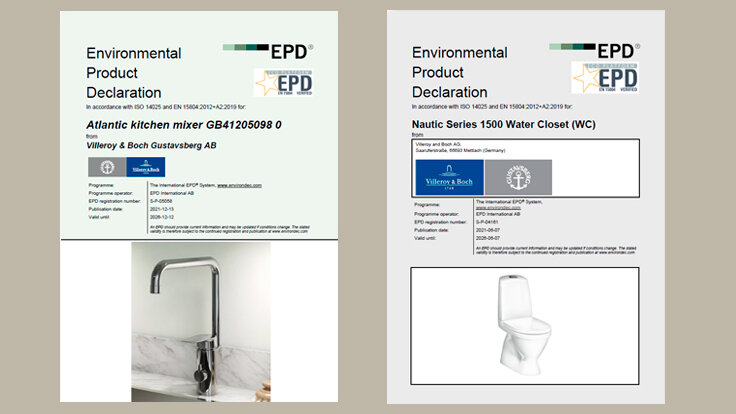
2021 – The first EPDs in the Nordic Region for mixers and sanitary porcelain
In 2021 we become the first manufacturers to receive EPDs (Environmental Product Declarations) for mixers and sanitary porcelain.
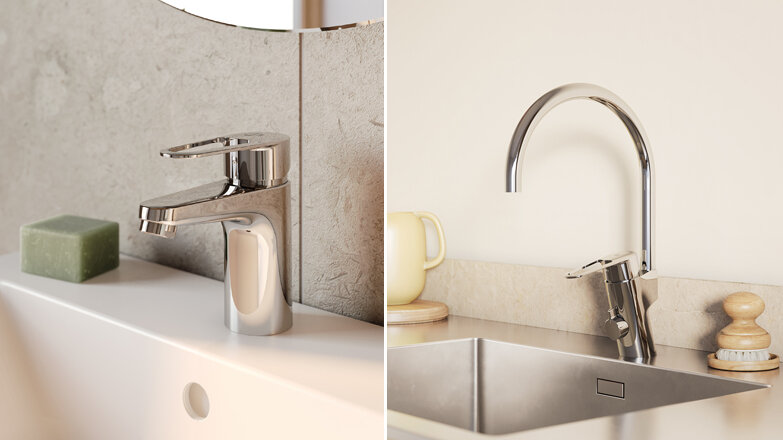
2024 – The world’s first Energy Class A kitchen mixer
We continue to develop the mixers in our Nautic range and obtain the best possible energy classification.